
Day 0: 26.10.2026 (Monday)
Networking activities
18:00 – 21:00 | Welcome dinner |
Day 1: 27.10.2026 (Tuesday)
Opening, plenary and thematic sessions
08:00 – 09:00 | Participant registration |
09:00 – 09:45 | Conference opening
|
09:45 – 11:15 | Plenary Session 1 – Lectures 1 and 2 |
11:15 – 12:00 | Coffee and networking break |
12:00 – 14:00 | Thematic Sessions 1 / 2 / 3 |
14:00 – 15:30 | Lunch / poster session |
15:30 – 17:30 | Thematic Sessions 4 / 5 / 6 |
20:00 – 22:00 | Gala dinner |
Day 2: 28.10.2026 (Wednesday)
Plenary sessions, workshops and exhibition
09:00 – 10:30 | Plenary Session 2 – Lectures 3 and 4 |
10:30 – 11:00 | Coffee break |
09:00 – 14:00 | Technical exhibition – Exhibition of new technologies and productsc – Industrial companies and research institutes exhibitions |
11:00 – 13:00 | Workshops / Thematic Sessions 7 / 8 / 9 |
13:00 – 14:00 | Lunch |
14:00 – 18:00 | Plant tour |
19:00 – 21:00 | Informal social evening |
Lecture 1
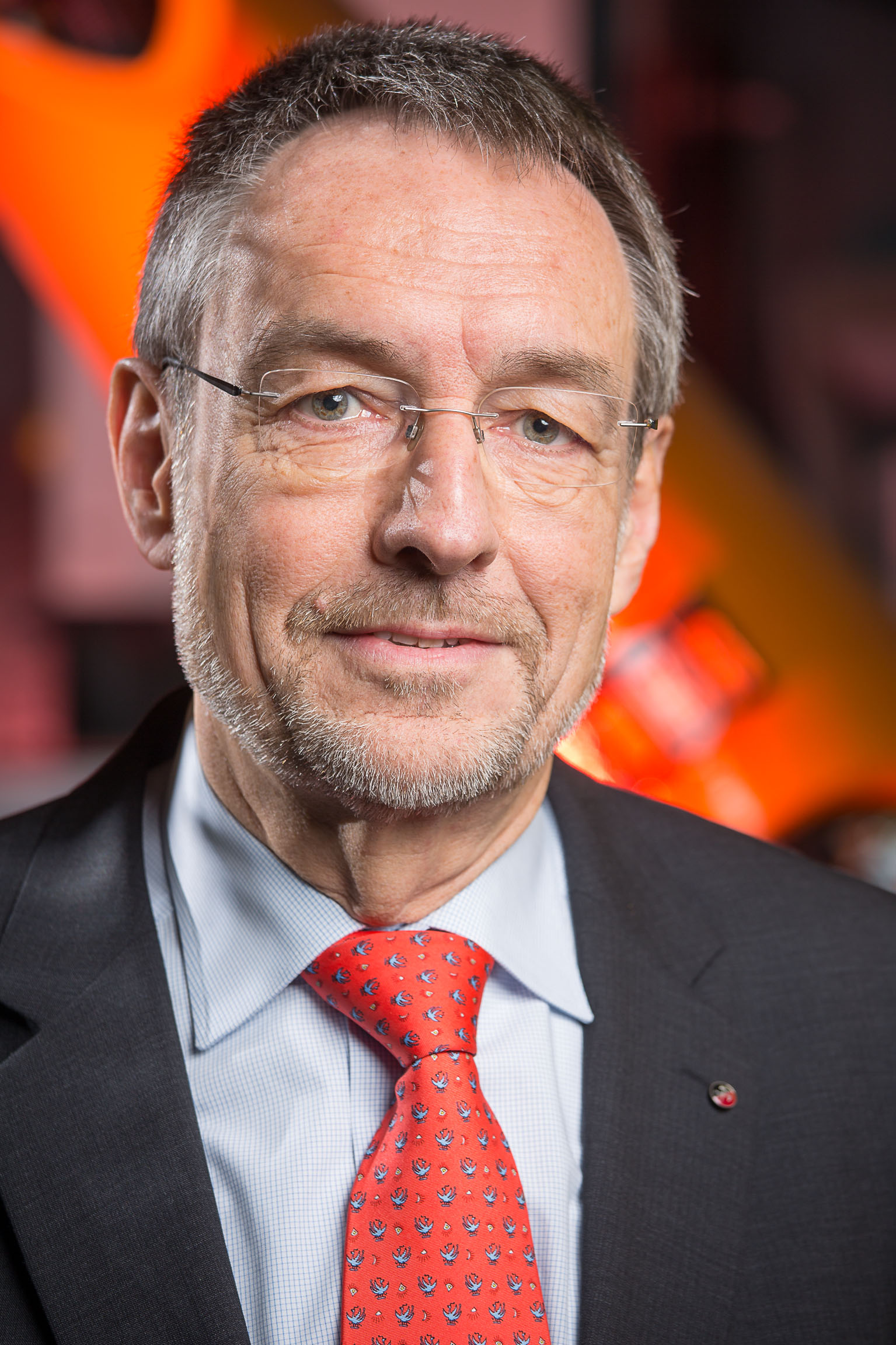
Prof. Wolfgang Bleck
RWTH Aachen University, Germany
Lecture 2
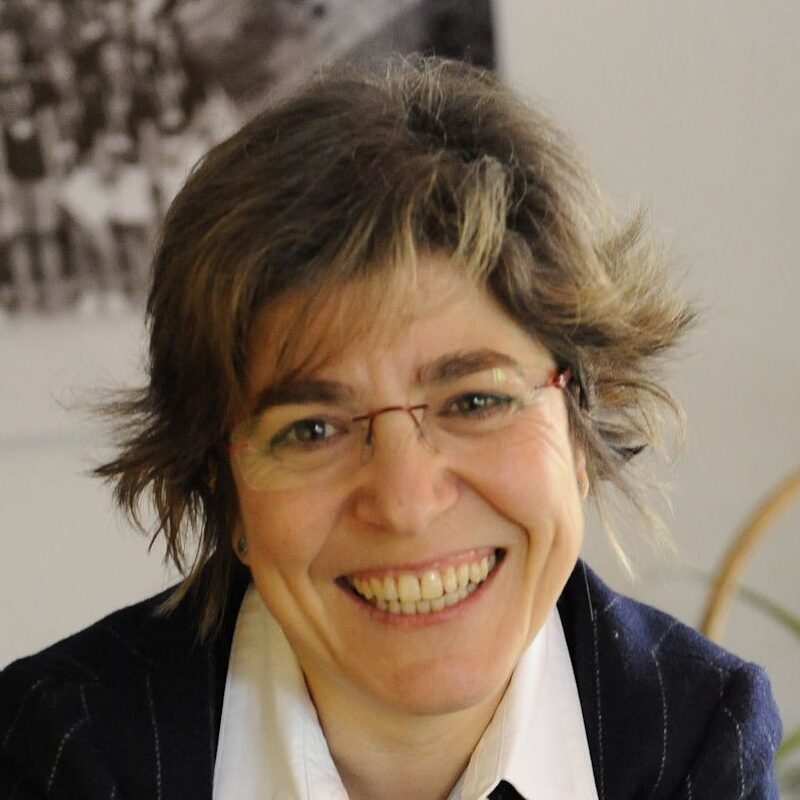
Prof. Francisca G. Caballero
National Center for Metallurgical Research (CENIM)
Spanish National Research Council (CSIC).
Lecture 3
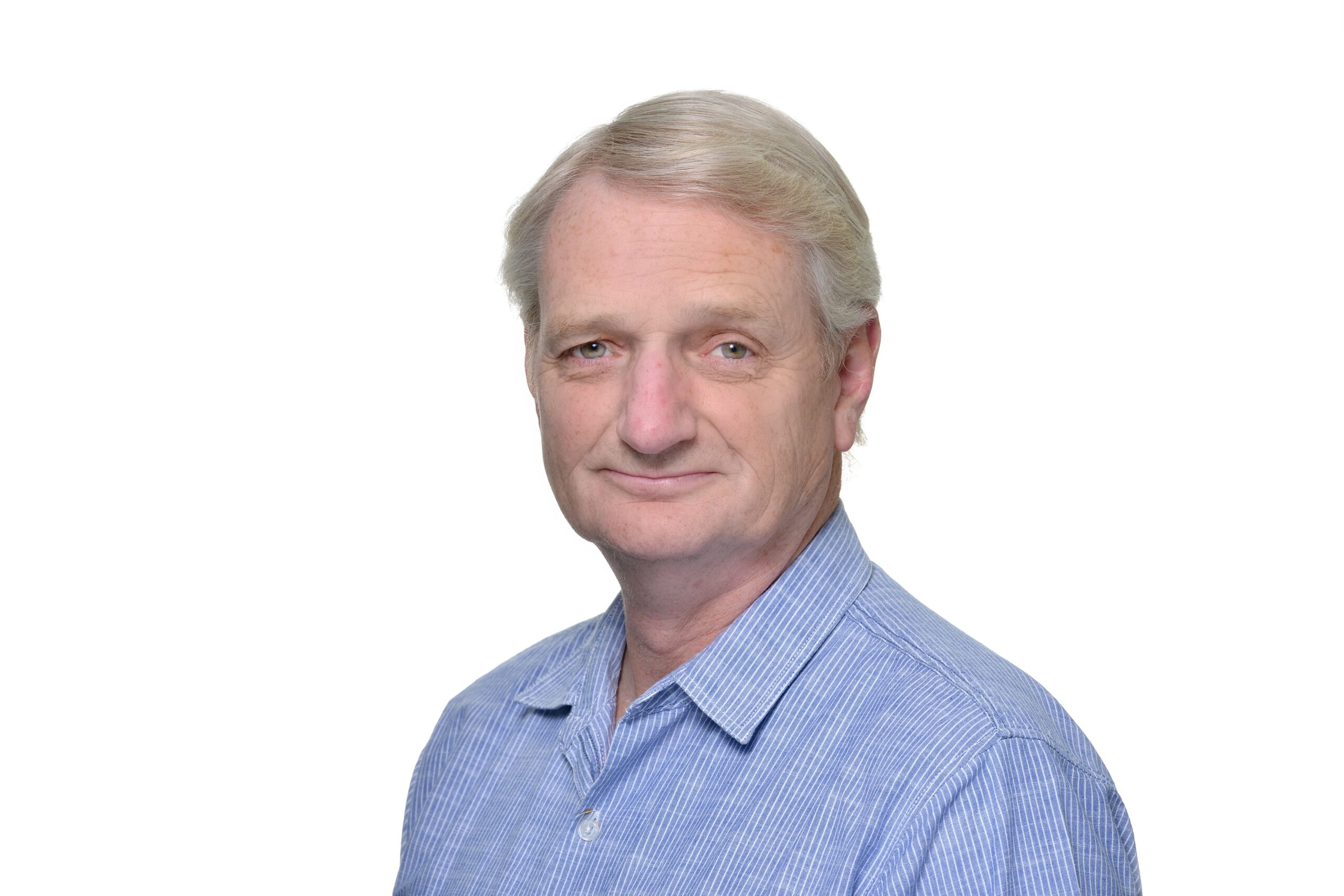
Prof. Stewart Williams
Cranfield University, United Kingdom
Lecture 4
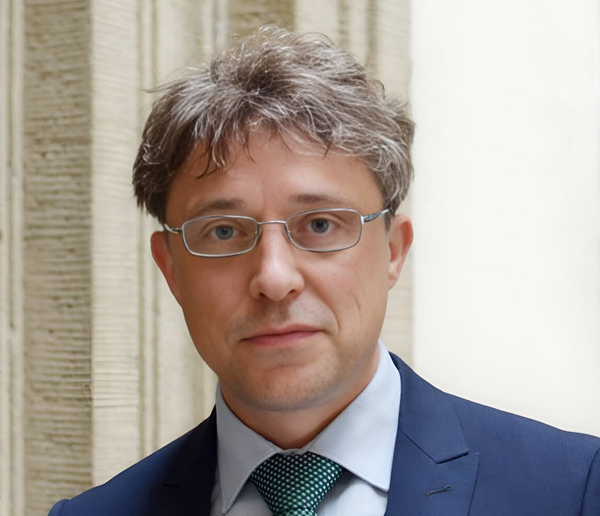
Prof. Łukasz Madej
AGH University of Krakow, Poland
President of Polish Forging Association
Session 1: Sheet Metal Forming
Keynote speaker:
prof. Zbigniew Gronostajski
–
Chairman: prof. Till Clausemeyer
Conventional and modern sheet metal forming processes. Process optimisation, tooling, modern machinery and equipment.
Session 2: Multi-Scale Advanced Characterization Techniques of Structure, Mechanical Behaviour and Deformation Mechanisms
Keynote speaker:
PhD Eng. Grzegorz Cios
–
Chairman: prof. Francisca Caballero
Advanced multi-scale characterization of material structure and mechanical behaviour. Links between microstructure, deformation mechanisms, properties and performance.
Session 3: Welding & Joining Processes
Keynote speaker:
PhD. DSc. Damian Janicki
–
Chairman: PhD. DSc. Marcin Winnicki
Welding, joining, cladding and coating processes for automotive and industrial components. Process development, monitoring, modelling and joint quality.
Session 4: Forming of Non-Ferrous Metals and Advanced Alloys
Keynote speaker:
prof. Ulrich Prahl
–
Chairman: PhD. DSc. Magdalena Jabłońska
Forming of non-ferrous metals (Al, Ti, Cu, Mg) and advanced alloys for electromobility, aerospace, defence and energy applications.
Session 5: Sustainable and Low-Emission Technologies in Automotive Production Chains
Keynote speaker:
Dr Christopher Ostwald
–
Chairman: prof. Wolfgang Bleck
Sustainable, low-emission manufacturing and the use of recycled materials. Reducing the carbon footprint along automotive production chains.
Session 6: Essential Technologies for Defence Industry
Keynote speaker:
PhD. DSc. Robert Panowicz
–
Chairman: prof. Krzysztof Jamroziak
Metal forming and materials technologies for the defence industry, including dual-use solutions.
Session 7: Bulk Metal Forming
Keynote speaker:
prof. Adam Grajcar
–
Chairman: prof. Zbigniew Pater
Conventional and modern bulk metal forming processes. Process optimisation, tool life and durability, modern machinery and equipment.
Session 8: Additive Manufacturing of Metal Parts
Keynote speaker:
TBC
–
Chairman: prof. Stewart Williams
Metal additive manufacturing (DED & PBF-LB/M): process optimisation and material properties. Industrial applications in automotive and tooling.
Session 9: Large Language Models & Data-Driven Mathematical Models in Production Processes
Keynote speaker:
PhD. Grzegorz Korpała
–
Chairman: PhD. DSc. Łukasz Rauch
AI, machine learning, digital twins and numerical simulations for optimising forming and production processes in the automotive sector.